In addition to providing innovative automated chlorination solutions, PROVITAB 3™ is committed to keeping our valued clients informed about the latest updates in our space.
Organic chlorine tablets – PROVICHLOR TABLET™ – can offer meaningful operational benefits whether for potable water or wastewater applications, especially small to medium systems, remote sites, field water treatment, and locations where liquid chemical handling is difficult. Compared with liquid bleach/sodium hypochlorite, EPA & NSF registeredProvichlor™ tablets can provide: • Longer storage stability • Easier transportation and storage • Compact inventory • Pre-measured dosing • Reduced liquid-spill risk • Lower dependence […]
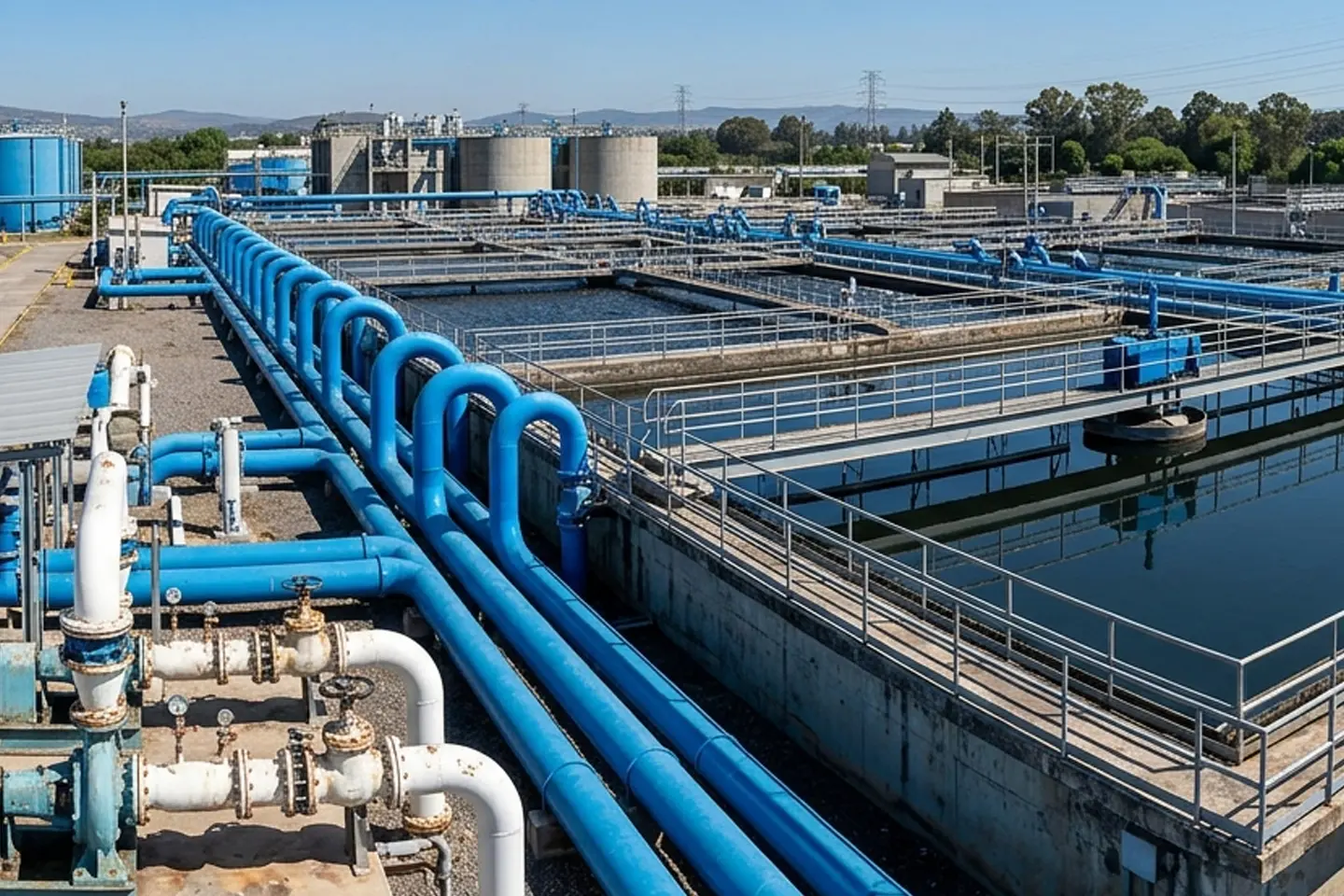
Across the United States, small and medium-sized water utilities are facing growing pressure to maintain regulatory compliance, operational reliability, and consistent disinfectant residuals, often with aging infrastructure, limited staffing, and expanding distribution systems. For many utilities serving rural communities, remote storage tanks, agricultural areas, or decentralized infrastructure, traditional centralized chlorination strategies are becoming increasingly difficult to […]
Biofilms are structured microbial communities embedded within a self-produced extracellular polymeric substance (EPS) matrix that adhere to surfaces in aqueous environments. Their presence in water systems represents a critical challenge due to their contribution to infrastructure deterioration, water quality degradation, and public health risks. At the same time, biofilms play a beneficial role in engineered […]
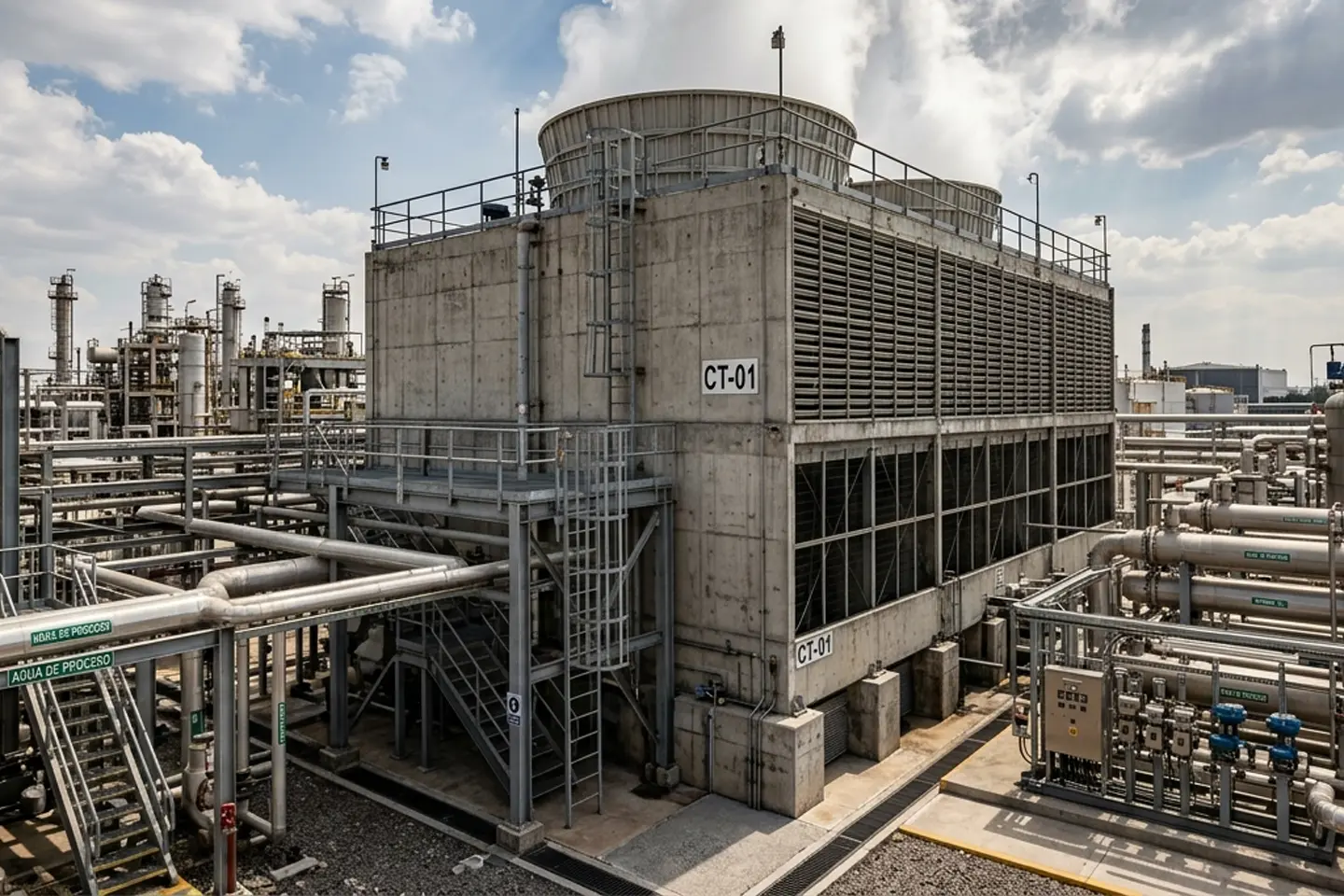
Cooling towers are essential components in many industrial and commercial operations, including manufacturing plants, power generation facilities, food processing plants, and large commercial buildings. These systems rely on circulating water to remove heat from equipment and processes. However, cooling towers also create ideal conditions for microbial growth. Warm water, nutrients, and continuous recirculation can promote […]
When utilities and industrial facilities evaluate alternatives to chlorine gas or liquid bleach, the first question is almost always the same: “Does it disinfect the same way?” The short answer is yes.The longer—and more important—answer is yes, because the same active disinfectant is doing the work, just delivered in a more stable and operationally resilient […]
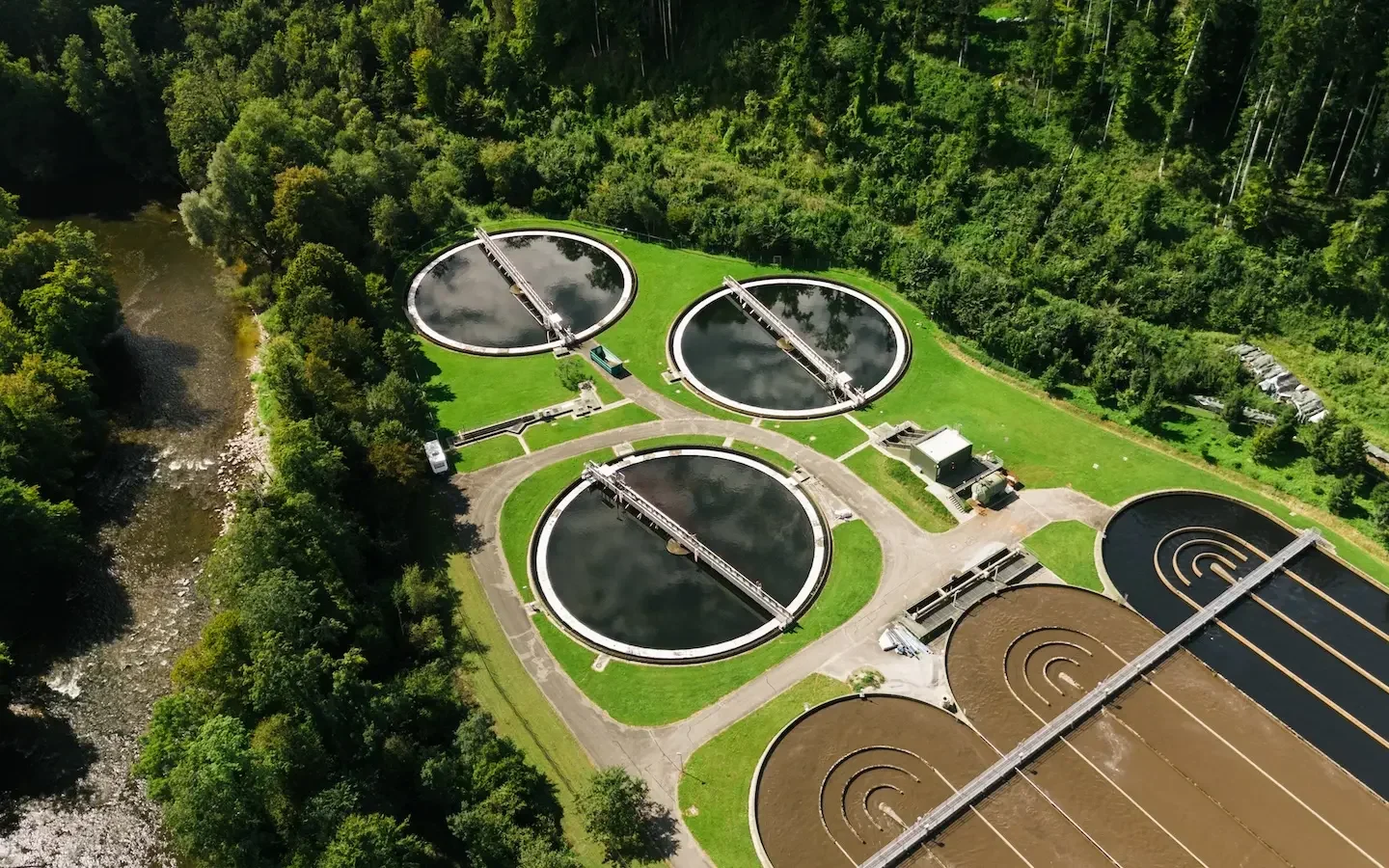
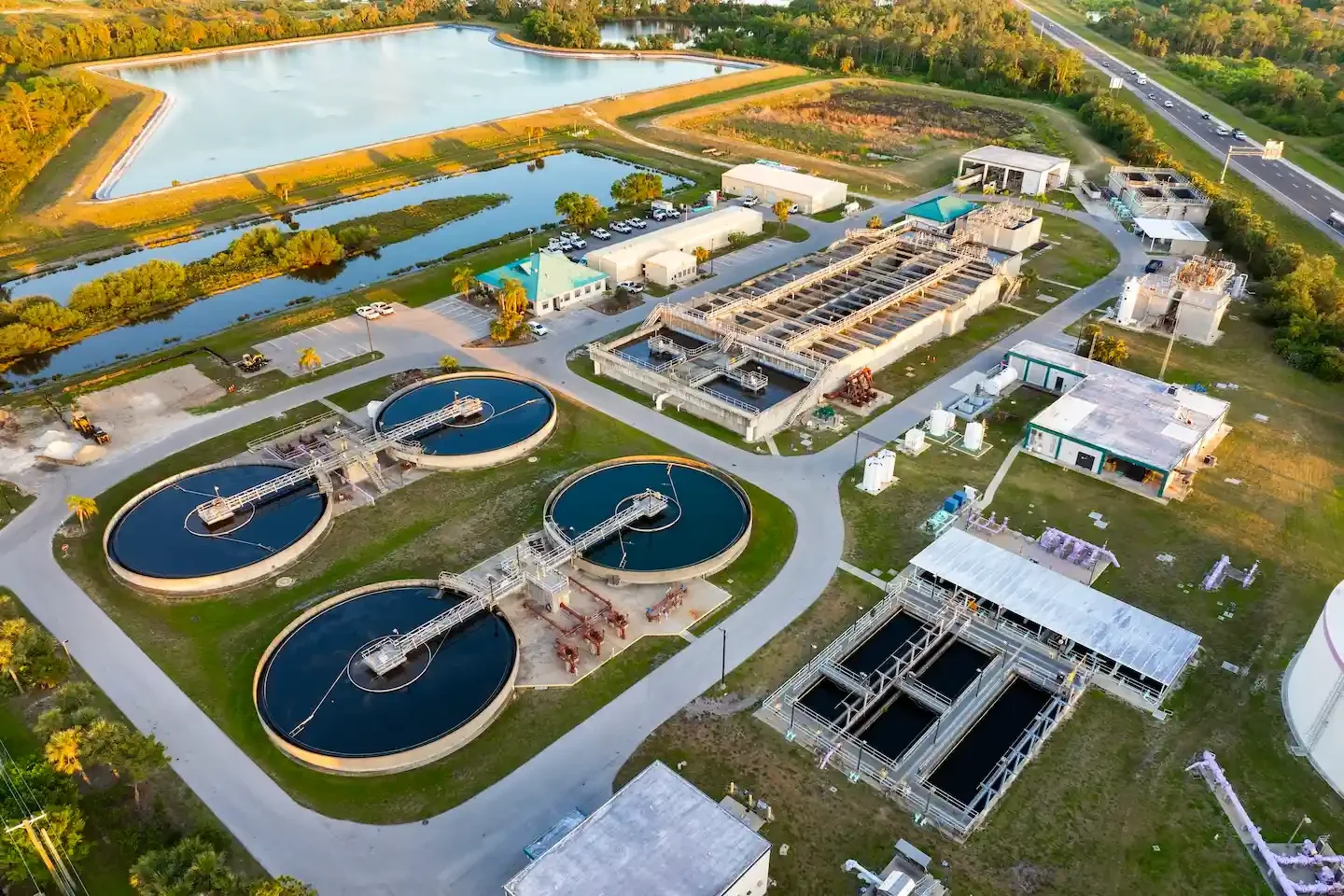
Municipal wastewater treatment plants face a critical challenge: effectively eliminating pathogenic microorganisms while ensuring the final effluent meets stringent environmental standards. With public health and environmental compliance at stake, selecting the optimal disinfection method is essential for treatment facility operators and municipal decision-makers. Common Wastewater Disinfection Methods Compared Understanding the strengths and limitations of each […]
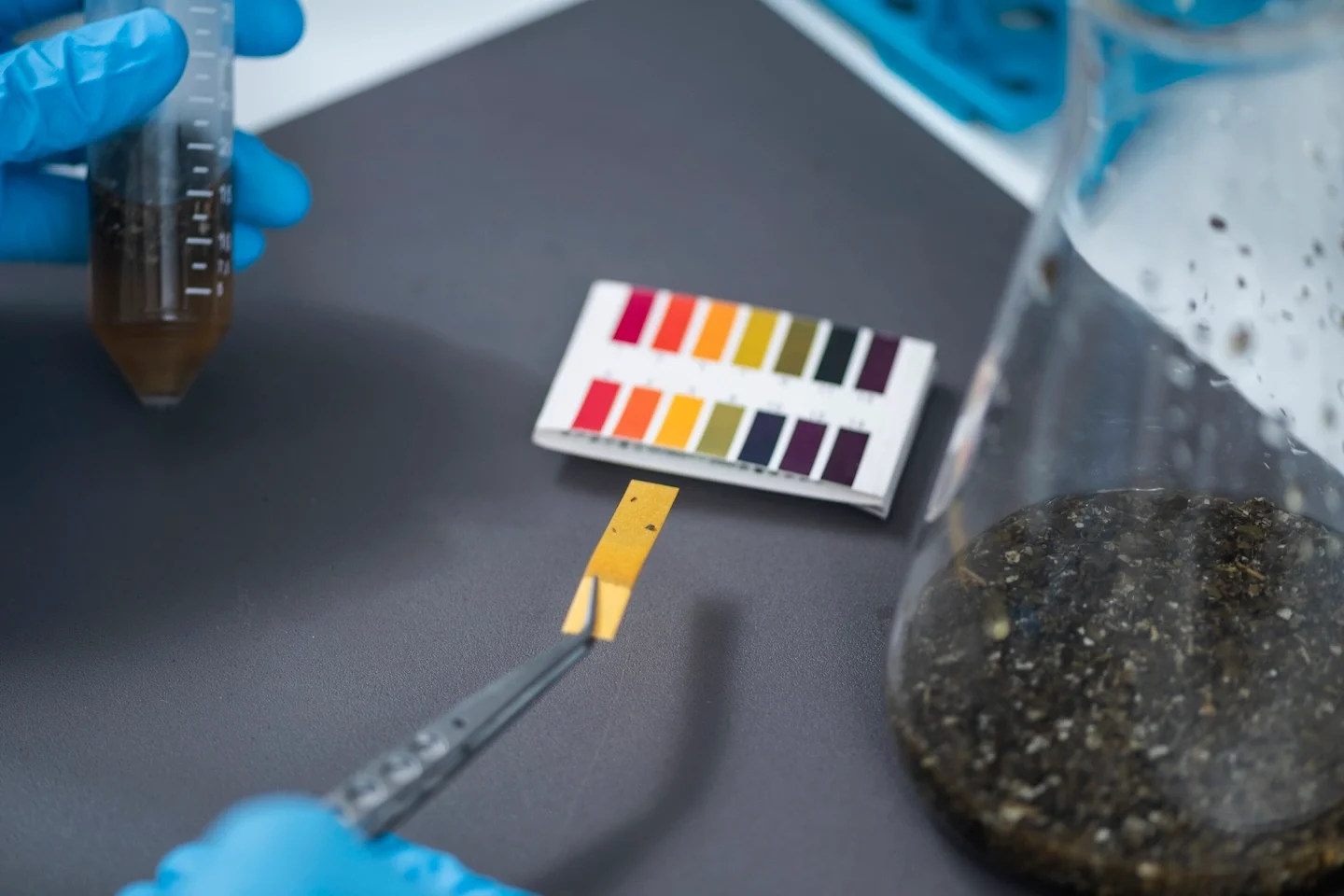
The pH of water is a critical factor that determines the efficiency of chlorine disinfection processes. For professionals in industrial water treatment, process waters, and recreational systems, proper pH management is essential to ensure optimal results, maximize the effectiveness of applied chemicals, and protect both equipment and end users. The balance of pH directly influences […]
For decades, chlorine gas has been used as one of the main options for water disinfection in municipal, industrial, and recreational systems. However, experience has shown that its application involves significant risks to health, operational safety, and the economics of water treatment systems. Today, safer, more efficient, and more sustainable alternatives exist, with stabilized organic […]
In professional water treatment and disinfection, chlorine continues to be the most widely used chemical thanks to its proven effectiveness, low cost, and regulatory approval. However, not all chlorine products are the same. There are two main categories: organic chlorine and inorganic chlorine, each with its own characteristics, benefits, and limitations. Understanding the differences between […]
Follow Us